


featured item

Antiques & Vintage: what might be most collectable in 2026?
Posted by Chris on 16/01/2026
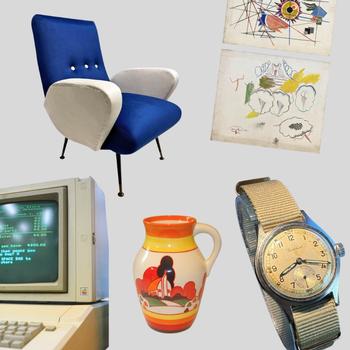
Expert predictions for the next wave of collectibles...
Nobody can see into the future, but here at Antiques.co.uk we like to use our professional nous – and data insights – to make our very best expert guesses.
Each January, we ask the question that is on the antiques world’s lips, which is: ‘what antiques and vintage pieces might be most collectable in 2026?’
So if, like us, you’re curious about which antiques are set to be the most collectable this year, here’s a guide to help you get started.
What makes an antique collectible?
Before diving into predictions, it’s important to understand the qualities that make an antique desirable. Collectors and experts agree that several factors underpin collectibility:
Rarity: items that are hard to find or produced in limited numbers often command higher prices and greater interest. Often, collectors will have web alerts set up to notify them of new pieces on the market that pitch into certain search terms – you find this a lot with antique art.
Condition: you’ll know from watching Antiques Roadshow that well-preserved pieces, especially those with original finishes or features, are highly sought after. But whilst chips and cracks can seriously diminish the asking price of antiques like ceramics and glassware, on other types of antique – like Elizabethan coffers for example – it’s all part of the charm.
Provenance: the history of an object – its previous owners, where it was made, and how it’s travelled through time – can add significant value. Think again to antiques TV shows, and how often the backstory from the seller helps fill in the gaps of how an item came to be.
Cultural significance: antiques with connections to important historical events, movements, or figures are especially prized, and desirability remains high amongst collectors who might be looking to add to their collections on these specific themes (for example, UK or US Civil War artefacts, or the sinking of the Titanic).
Aesthetic appeal: taste and style evolve, but items that fit contemporary interiors or evoke nostalgia often remain in fashion, especially with interior designers. For example, think original Mid-Century Modern furniture, 19th century French pieces, Arts and Crafts or Bauhaus.
As Olivia Carter, a respected London-based dealer, remarks, “A true antique is more than the sum of its years. It’s a bridge between eras, carrying stories we’re eager to uncover.”
Antiques that are likely to stay collectible in 2026:
- Victorian and Edwardian furniture
- Georgian silverware
- Antique clocks
- Fine art and oil paintings
- Porcelain and ceramics
- Antique jewellery
- Books, maps and manuscripts
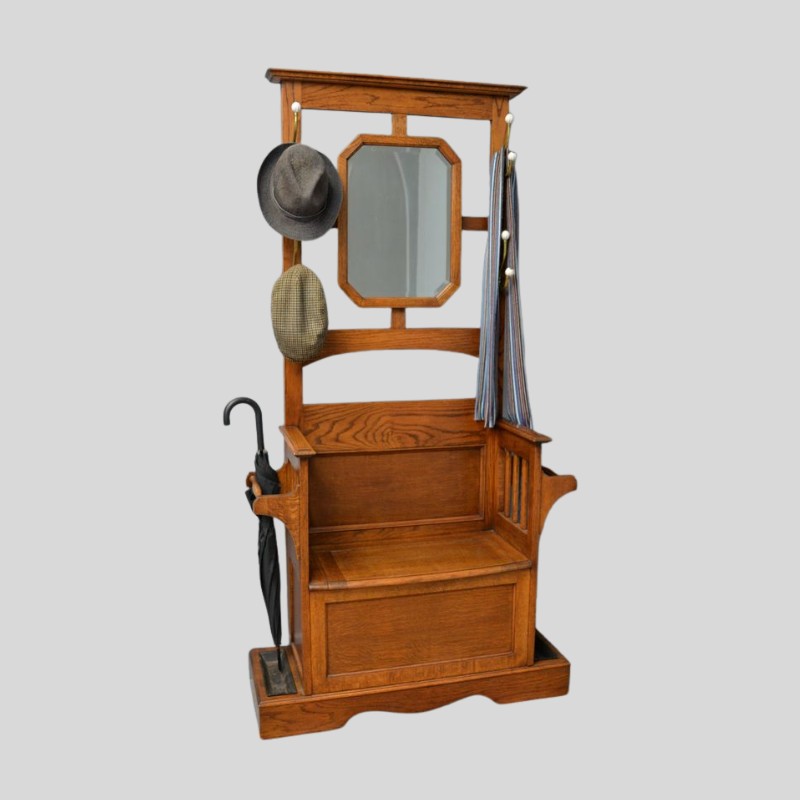
Pictured: staying very collectible in 2026 is (broadly) Victorian and Edwardian furniture, like this superb Edwardian mirrored oak hall stand with seat, and storage, c.1900.
Victorian and Edwardian furniture
Furniture from the Victorian and Edwardian periods has long been a staple for collectors. Ornate sideboards, armchairs, and writing desks from these eras offer a glimpse into the craftsmanship and social customs of the nineteenth and early twentieth centuries. Experts believe these pieces will continue to hold their value, especially those that remain in excellent condition or feature intricate marquetry and carving.
> Explore Antique Victorian & Edwardian furniture
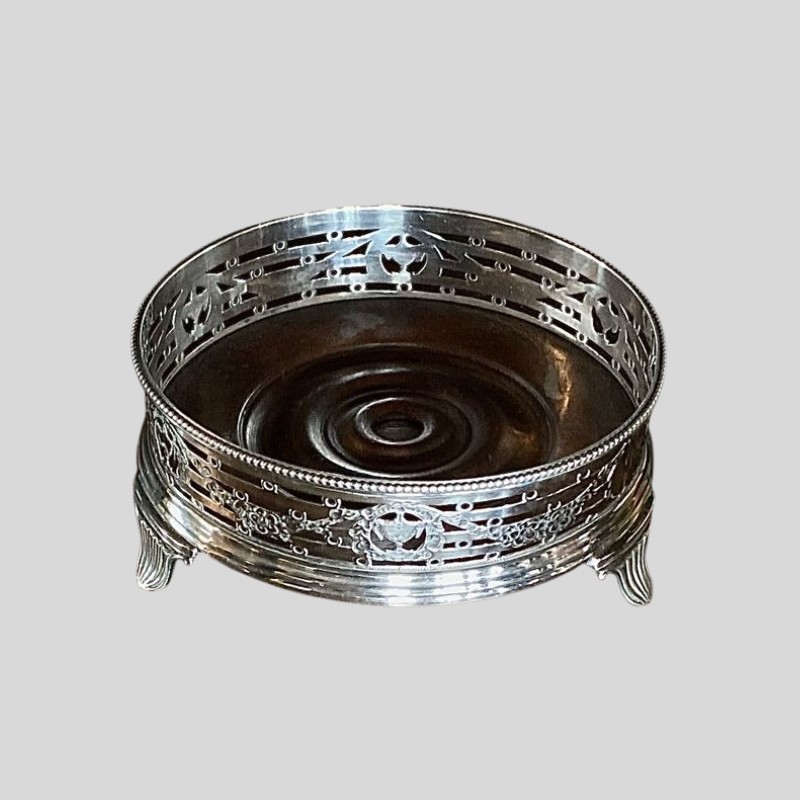
Pictured: antique Georgian silverware could remain highly popular with collectors, like this lovely George II Sterling Silver Wine Coaster, d.1739.
Georgian silverware
Silver items from the Georgian period, such as candlesticks, bowls, and cutlery, remain highly sought after. The quality and weight of Georgian silver set it apart, and many collectors value the hallmarks and maker’s marks that confirm authenticity. As entertaining at home grows in popularity, elegant antiques like these are likely to remain a staple in collections.
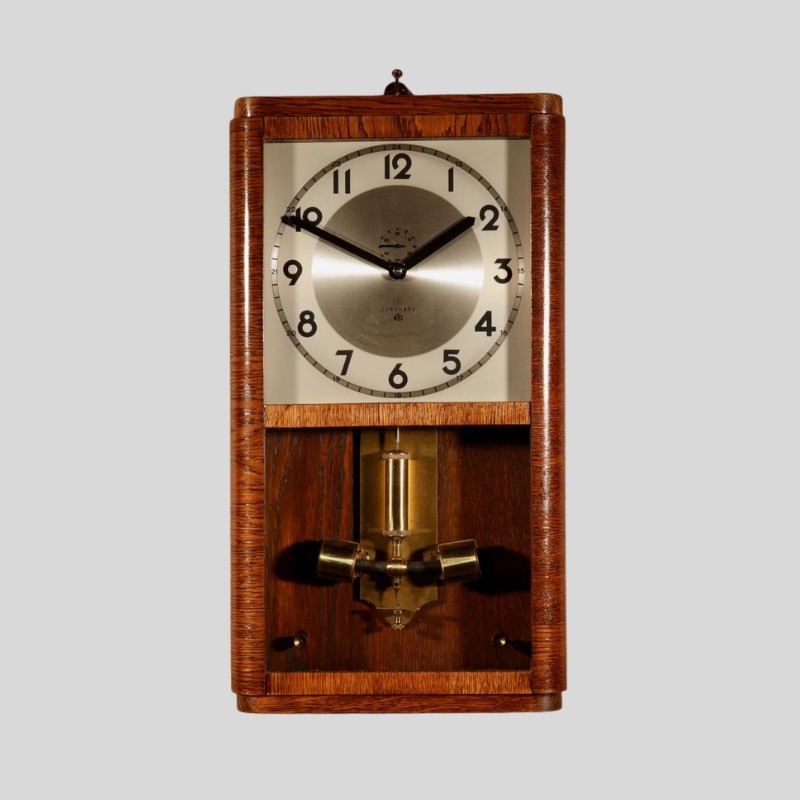
Pictured: antique and vintage clocks are likely to remain highly collectible in 2026, like this Junghans Ato Stylish Early Electric Oak Wall Clock, c.1960.
Antique clocks
Mantel clocks, grandfather clocks, and carriage clocks from the eighteenth, nineteenth, and early twentieth centuries continue to fascinate collectors. The complexity of the mechanisms, beauty of the cases, and stories of timekeeping through the ages keep antique clocks firmly in the spotlight.
> Explore antique and vintage clocks
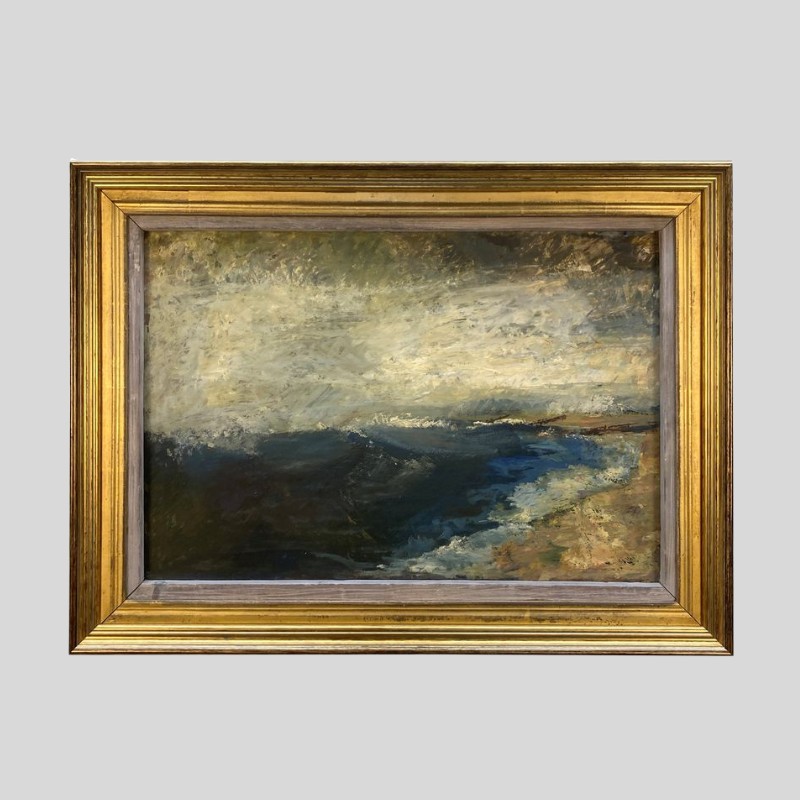
Pictured: antique and early modern fine art and oil paintings should stay very collectible, like this English oil on panel in gilt frame seascape, in the manner of Turner, c.1880-1900.
Fine art and oil paintings
Original artworks, especially oil paintings by listed artists from the eighteenth, nineteenth, and early twentieth centuries, have enduring appeal. Portraits, landscapes, and still lifes can transform a home and connect us with the creative spirit of past generations. The rise in appreciation for female and lesser-known artists is also expanding the pool of coveted antiques.
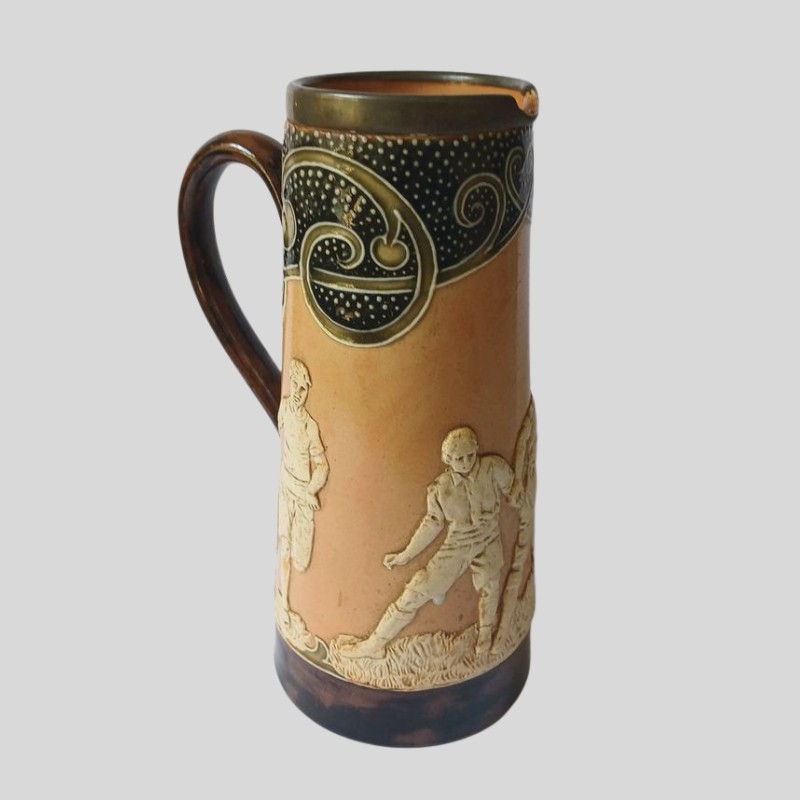
Pictured: antique and vintage porcelain and ceramics could remain particularly collectible in 2026, like this Doulton Lambeth Art Nouveau Sporting Stoneware Jug, circa 1890s.
Porcelain and ceramics
Pieces by iconic makers—such as Wedgwood, Meissen, and Royal Doulton—will continue to be cherished by collectors. Items in pristine condition with rare designs or provenance can fetch significant sums at auction. Collectors are particularly interested in pieces that reflect the artistic movements of their time, like Art Nouveau or Art Deco.
> Explore antique and vintage porcelain and ceramics
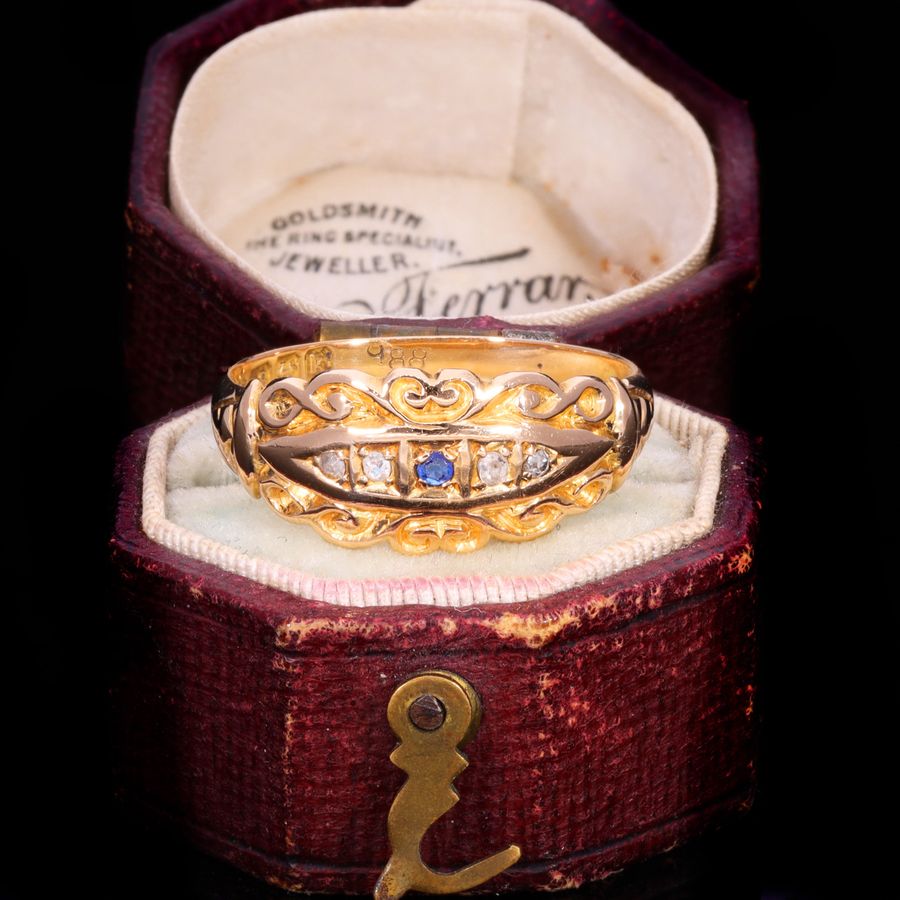
Pictured: antique jewellery could remain collectable in 2026, like this beautiful Edwardian 1909 Sapphire and Diamond Scrollwork Ring.
Antique jewellery
Jewellery from the Georgian, Victorian, and Edwardian eras remains a favourite among collectors. Brooches, rings, and necklaces featuring natural gemstones, intricate metalwork, and original settings are prized for their beauty and craftsmanship. The market for antique jewellery is expected to stay robust, with growing interest in pieces that tell a personal or historic story.
> Explore antique and vintage jewellery
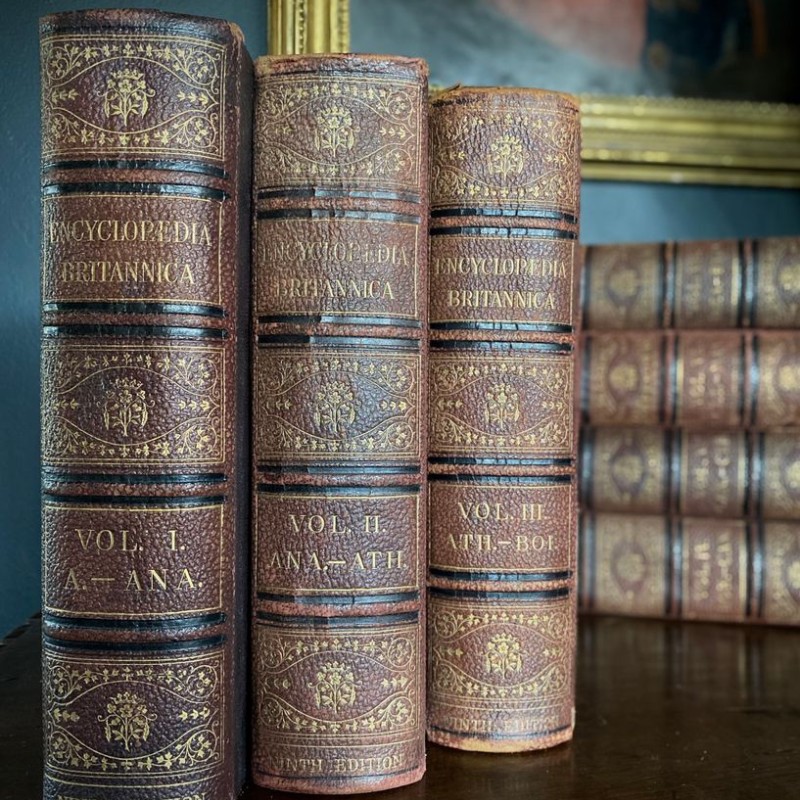
Pictured: antique books could remain highly collectable in 2026, like this fabulous full volume set of the famous ninth edition of Encyclopedia Britannica (volumes 1-24), published between 1875 and 1888. Plus the New Volume complimentary set (volumes 25-35 including index copy) published in 1902 and 1903.
Books, maps and manuscripts
Rare books, vintage maps, and handwritten manuscripts continue to delight bibliophiles and historians. First editions, travel maps, and documents tied to significant events or figures are especially valuable. The tactile experience of holding an ancient volume, combined with its literary or historical significance, ensures collectibility.
> Explore antique books, maps & manuscripts
Antiques that could be most collectible in 2026:
- Vintage memorabilia: 1980s & 90s
- Early tech gadgets
- Studio pottery and ceramics: mid to late 20th century
- 20th century designer furniture
- Rare vintage watches
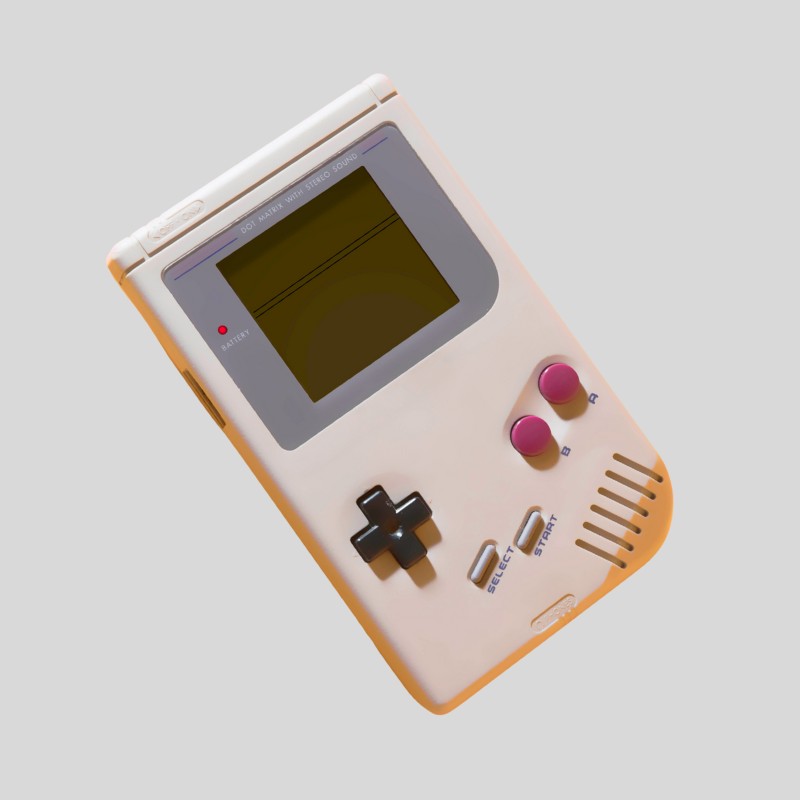
Pictured: vintage memorabilia from the 1980s and 1990s includes a huge range of toys, video game consoles and film merch - it's tipped to be even more in demand in 2026.
Vintage Memorabilia: 1980s & 90s
The antiques market is embracing a new wave of nostalgia. Items from the late twentieth century—once considered too recent to be truly antique—are now highly collectible. Toys, video game consoles, film memorabilia, and pop culture artefacts from the 1980s and 1990s have captured the imaginations of younger collectors. Think original Star Wars action figures, vintage Nintendo Game Boys, and first-edition band posters. As nostalgia grows stronger, these pieces are rapidly becoming sought-after treasures.
> Explore collectibles & memorabilia
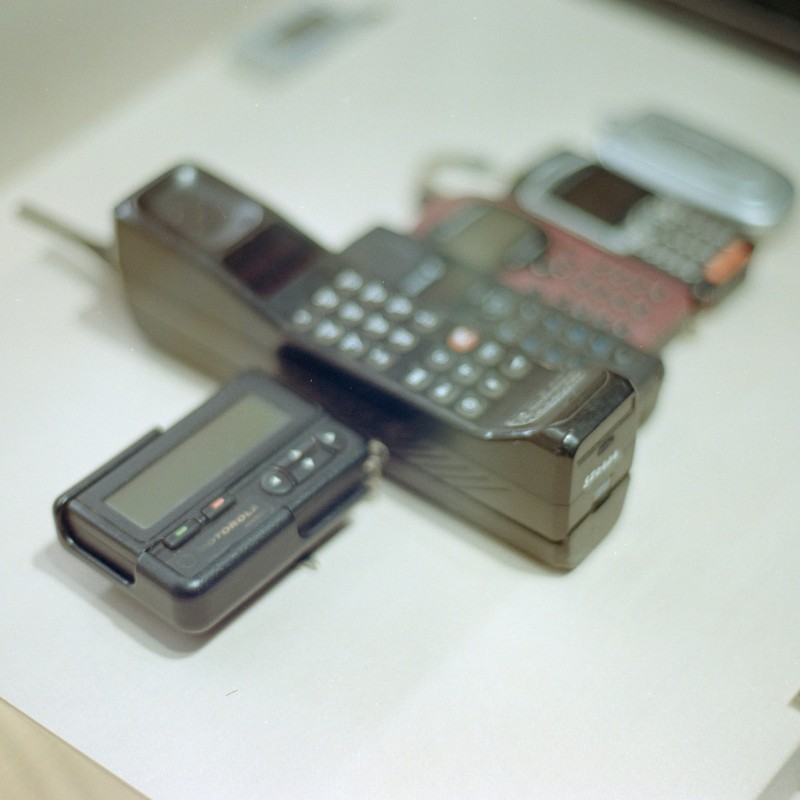
Early vintage tech gadgets the 1980s and 90s such as mobile phones and pagers could be most collectible in 2026.
Early tech gadgets
Vintage electronics are gaining traction in the collectibles market. First-generation Apple computers, early mobile phones, and analogue cameras from the mid to late twentieth century are increasingly recognised as valuable antiques. Their rarity and historical significance, coupled with the rapid evolution of technology, make them highly desirable to collectors looking for pieces that capture the essence of past innovation.
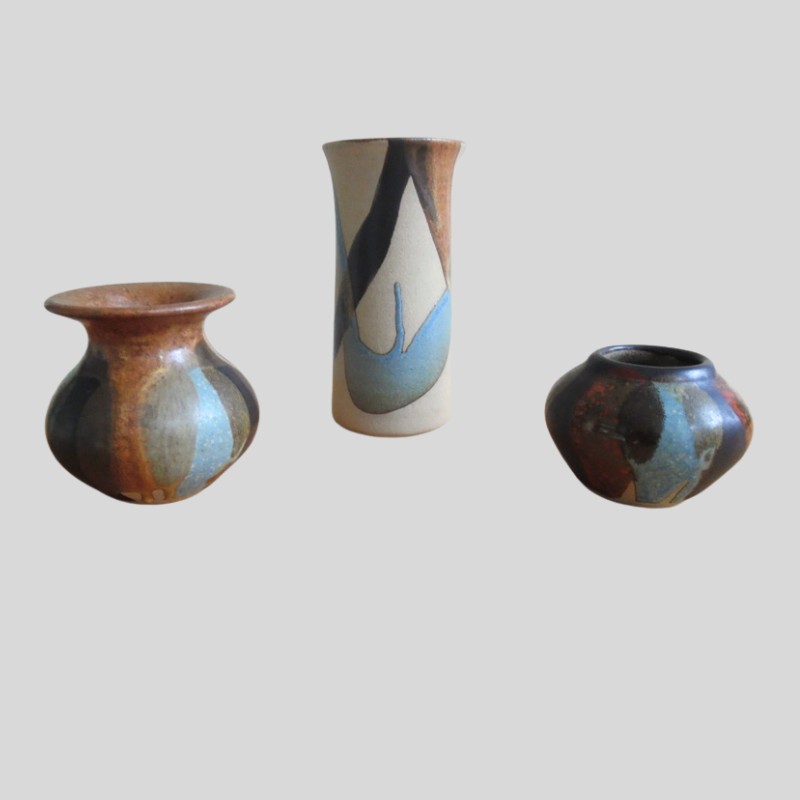
Pictured: studio pottery and ceramics from the 20th century have always been popular, and they're likely to increase in collectibility in 2026, like these Three Graham Glynn Abstract Stoneware Vases.
Studio pottery and ceramics: mid to late 20th century
Unique, hand-thrown pottery and ceramics crafted by notable studio artists in the mid to late twentieth century are tipped to become more collectible in 2026. These pieces are valued for their craftsmanship, artistic expression, and their role in the studio pottery movement. Collectors are seeking out works that reflect contemporary design trends, as well as those with a notable legacy.
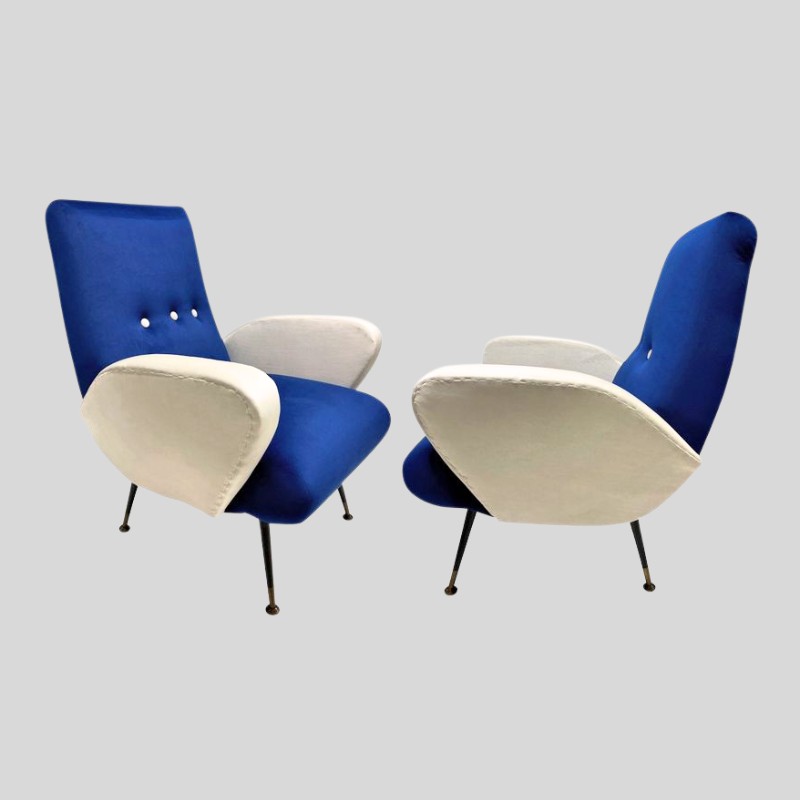
Pictured: 20th century designer furniture, and mid-century modern pieces more broadly, could be expected to be highly collectible in 2026, like this Pair of Italian Mid-Century armchairs by Nino Zoncada, c.1950.
20th century designer furniture
Furniture from the twentieth century—especially mid-century modern pieces—continues to rise in popularity. Designs by Charles and Ray Eames, Hans Wegner, and Arne Jacobsen are expected to see increased interest. Collectors appreciate these pieces for their blend of style, innovation, and historical relevance, particularly when they retain original upholstery and distinctive features.
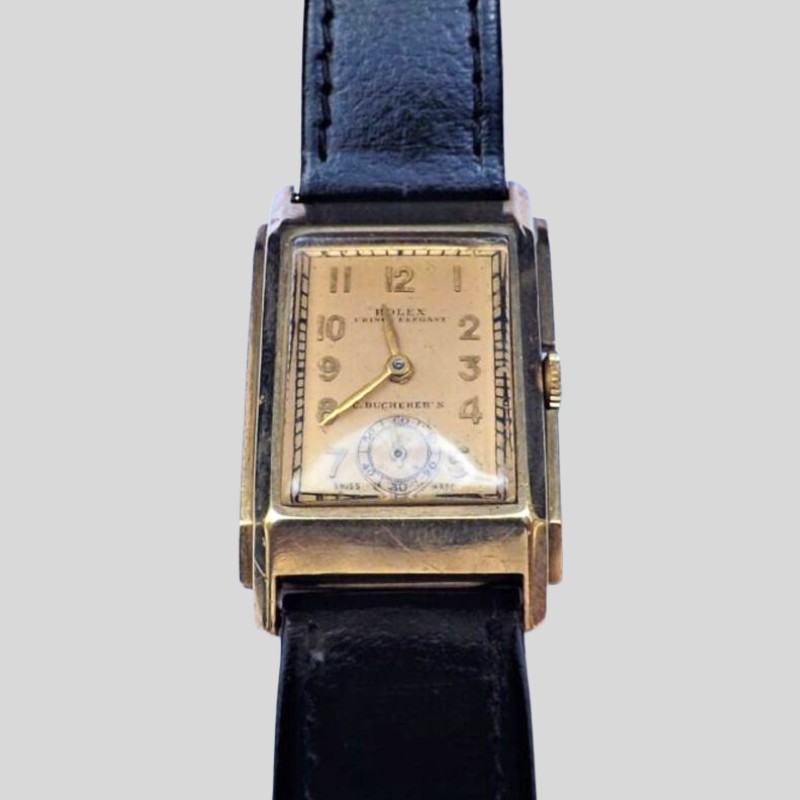
Pictured: rare vintage watches could see a rise in collectability in 2026, such as this Rolex Prince Elegant 9ct gold.
Rare vintage watches
The market for antique and vintage watches is expanding, with timepieces from renowned brands such as Rolex, Omega, and Patek Philippe becoming even more prized. Models with unique complications or a storied provenance are especially attractive, offering collectors investment potential alongside artistry and heritage.
> Explore antique & vintage watches
Tips for new antique collectors: how to build a future-proof collection
If you’re considering investing in antiques, you may like to read a short guide that our founder, Iain, has created: ‘Buying the best value antiques: five must-ask questions for beginners and investors.’ Of course, if you’re already a collector with experience, you probably know what you’re doing already!
A few quick tips for the new antique collectors for building a collection that will stand the test of time:
Do your homework: read up on your chosen antiques widely, consult auction records, and visit reputable dealers and antiques websites to understand the market.
Focus on quality: the best collectibles are often those with original features, minimal restoration, and clear provenance. See what you can find out about the item you’re interested in before you get your chequebook out.
Buy what you love: trends fluctuate, so it’s important that you have a passion for your collection. That means that whether or not your antiques are in fashion, you’ll always be satisfied with what you've bought.
Seek expert advice: if you’re unsure about a piece’s authenticity or value, talk to seasoned professionals. You could reach out to the dealer, ask other dealers for their opinion, or even contact us at mail@antiques.co.uk
Be patient: the best finds often take time. Enjoy the journey as much as the destination and you will be so much happier with the whole process of buying an antique.