


featured item

Cha-ching! How to sell an antique, declutter your home and make some cash
Posted by Chris on 09/01/2026
It's the new year, a great time to declutter your home - and make some welcome cash by selling items over 40-50 years old that you might have lying around in the attic or garage.
Whether you're brand new to selling antiques, or haven't sold with us before, read our Frequently Asked Questions and 'how to' guide to get your antiques and vintage pieces in front of thousands of buyers from around the world!
“New year, new you!” is something you’ve probably seen a hundred times since 1st January.
It is true - however much those words might grate - that the start of a new year is a prudent time to think about a ‘spring clean,’ sorting out one’s home and personal affairs with a renewed sense of energy. Once all the Christmas decorations are gone, all the clutter around the house becomes so much more obvious.
There’s something optimistic about decluttering: renewal, making space, looking to the future…room to grow.
And if you’re feeling that – a sense of wanting to free up some space in your attic, garage, or rooms in your home – you’re certainly not alone.
Around the country, local recycling centres are undoubtedly hives of activity as people arrive in droves with cars packed full of unwanted things.
That’s all well and good, if you’re getting rid of relatively modern ‘junk.’
Sell your antiques - don't just give them away for free
But if you need to offload items which are over 40-50 years old, an even better (and more profitable) way of doing so is to try selling them.
We know that it can be a challenge to get these pieces placed with an antiques dealer, or to sell them at auction. That’s because they might not want what you’re selling for their store, or they might not see enough profit in it for them. But selling online is a completely different story!
We’re here to help you quickly and easily figure out what you can sell, and how to get it listed online in front of tens of thousands of potential buyers from around the world – right here on Antiques.co.uk.
First, we thought we'd answer any questions you might have as a seller new to Antiques.co.uk (or you can skip straight to the step-by-step seller's guide).
How to sell an antique: we point you in the right direction, below
How to sell an antique: frequently asked questions
I’ve never sold an antique and have no idea where to start…
Don’t worry – we have a step-by-step guide to help you through the process! Below you’ll find how to create your free seller’s account, how to take decent photography of your items, and how to write titles and descriptions: all from the comfort of your own home.
What types of antique and vintage can I sell?
There’s no real limit to what kinds of pieces you can list for sale on Antiques.co.uk. Just have a look at ‘all categories’ to see what we mean! There’s everything from silver, ceramics and glass, to sporting items, comics, art, toys, furniture…the list really does go on and on.
My items vary in condition – can I still sell them?
Of course you can! The only caveat is that typically the better condition an antique is in, the better a price it can command. Take a look through some listings and you’ll see that many (if not most) listings have ‘wear and tear commensurate with age.’
Surely the items I have aren’t worth anything?
You’d be surprised, as there are a huge range of buyers out there, and they’re all looking for different things! You might find that someone with a penchant for 1970s abstract art will love that odd painting you picked up at a thrift market but have always disliked; or the 1960s record player gathering dust in the cupboard is the piece de resistance that a mid-century modern aficionado has been searching for. Or that the old silver cutlery set that Great Aunt Dora left you is actually a collector’s item.
Until you get it listed online and in front of buyers, you won’t find out!
How do I know how much to sell my antique for?
This is often one of the trickiest parts to selling an antique. Established dealers will tend to know from their deep knowledge of the industry and many years of experience – but if you’re new to the antiques game, where do you start?
We’d recommend searching on Antiques.co.uk (and other online searches) to see if you can find any items that are at all similar to the one you have. If you can find something comparable, then you could use that as a starting point. If your listing doesn’t get any bites within a week or two, then that might be a sign that the price should come down (and that’s easy to change on your item listing, by simply logging into your seller account and making a quick edit).
But how much money will I actually make?
Obviously it depends on what you list and sell your items for. When you list an item with Antiques.co.uk, you’ll just pay a small one off listing fee – after that, any profit you keep for yourself (aside from a nominal transaction fee taken by Paypal when you get paid by the buyer).
How much does listing an antique cost?
It’s free to set up a pay-as-you-go seller’s account, and any sales you make are commission-free. The only cost with this free account is a £9 fee to list each item – but in return, you’ll be getting it in front of tens of thousands of antique and vintage buyers from around the world!
Isn’t selling antiques just for professional dealers?
No – anyone can sell an antique or vintage item! The great thing about Antiques.co.uk is that it doesn’t matter who you are: if you have something to sell, you can get it listed and in front of buyers in a matter of minutes. Of course, many of our sellers are professional antique dealers, but we have plenty of private sellers too.
How will anyone find my item once it's been listed?
At Antiques.co.uk, our marketing team regularly write articles about certain themes of antique, sharing them on social media, to our thousands of email subscribers, and people searching on Google. So your item has a good chance of being featured by us! (especially if you include really good photography...)
Each week, there are thousands of people browsing listings on our website - and they'll be looking at your item too.
Once listed, your item will appear in the categories that you selected when you created your listing – and for around 7-10 days, it’ll show up on our Latest antiques feed.
Ready to get started? Here’s your step-by-step guide on how to sell an antique.

How to sell an antique on Antiques.co.uk: the step-by-step guide
Remember, just because you don’t love your old items any more, doesn’t mean that someone else won’t.
You’ve identified one or more items you’d like to sell. So what now?
Here’s a step-by-step checklist on how to get them listed on Antiques.co.uk
Before you get started
You’ll need access to a laptop or desktop PC or Mac, with internet – and a digital camera or phone with camera.
1. Register for a pay-as-you-go seller’s account
On our registration page, you’ll add your name, address, phone number and email address (you’ll also add a password which you’ll need to log back into your account).
You can ignore the boxes under the ‘company detail’ – this is just for trade sellers. Add a link to your Paypal account if you have one.
Select ‘Pay as you go’ under ‘Membership type,’ and agree to the terms and conditions.
Click next, and then your account will be confirmed. You’re ready to start selling!
2. Selling your items
Click, ‘add an item’ to create your first listing.
Create an item title: this should be relatively informative – think about what buyers might be searching for. For instance, instead of ‘Gold ring,’ you could put ‘Vintage 1940s 14CT Gold Ring for Women with Old Cut Diamonds.’
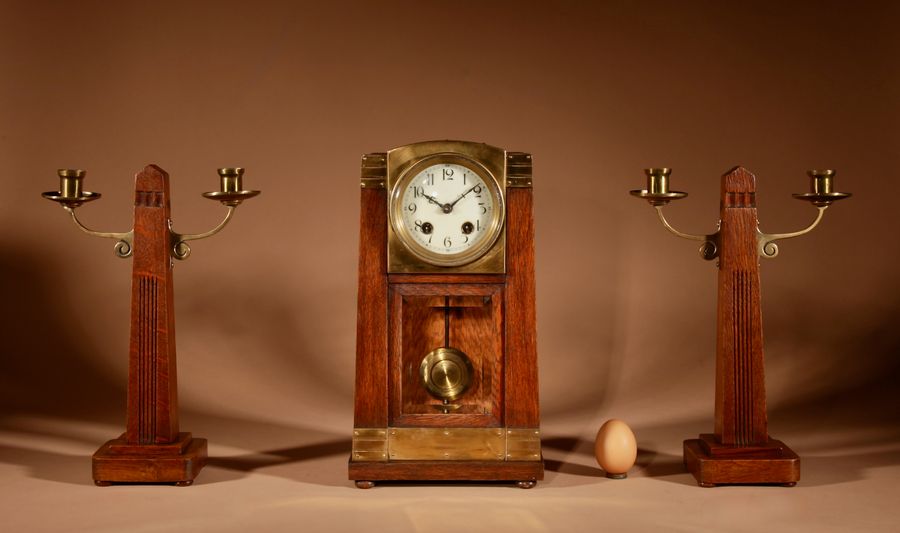
An example of good antique product photography: great detail, quality, lighting, plain uncluttered background.
3. Photography: it’s VERY important!
First impressions count - which is why paying close attention to your product photography is so important.
First, make sure your items are clean and presentable.
You’ll need a mix of wide photos (i.e. ones which get all of the item in, like the one above); and close-ups (for the finer detail – buyers love these).
We recommend at least 5 photos if possible – square is fantastic, but any orientation is fine. You can add as many as you like, and the first photo will be the listing’s main image so make it a good one!
Upload your photos in a high resolution – the website will automatically resize them (to a maximum of 900 pixels wide). Uploading images less than around 600 pixels wide (or high) won’t do your item justice.
4. How to take great photos that will help your item stand out
You can take photos on any digital camera, and phones are fine too. Adding a ‘depth of field’ always makes items look great – it’s on the ‘portrait mode’ on iPhones.
DO: Identify a good place to photograph them: sometimes in situ is fine, but otherwise we suggest taking them somewhere in the home which gives you a plain background.
DO: make sure the item is well lit (taking your photos during daylight hours will massively help), and with the light source coming from the front, or sides (avoid windows or lights behind objects). If you have a ring light, that will help make sure there aren't any unlit spots.
DO: Make sure your photos aren’t blurry – this can really put buyers off.
DO: Make sure that the background of your item is as clutter-free as possible, and ideally against a plain wall or similar.
You’ll need to get the photos from your camera or phone onto your computer so they’re ready to upload here.
5. Add your item description
Try and write as much about the item as you can. Perhaps you can write about the item’s history, where it came from, and its story. Is there a maker, and what can you find out about them?
Making sure you get spelling and grammar right on your description will also help buyers interact with your listing.
6. Add your price - and double check your listing
This is down to you – try looking for something similar online (or on Antiques.co.uk, and using it as a basis for your price. You can change this later on, if you decide to reduce or increase it.
You’ll need to roughly measure it so that you can add the height, width and depth – and add the item’s materials if you know them.
You get to add your item to two categories – just use the dropdown box to choose them.
Before you click ‘continue,’ go to the top of the page and read through your listing – does it all make sense, and sound like something that someone would want to buy?
If so, then you’re ready to continue. You’ll just need a credit or debit card handy to pay for your listing.
Once your listing is live – why not try sharing it on your own Facebook or Instagram accounts?
Claim your free seller's account - and create your first listing
Click here to get started and list your first item on Antiques.co.uk – to make some welcome new year's cash - and free up some space in your home.
Any questions? Contact us at mail@antiques.co.uk and we'll do our best to help.