


featured item

The ‘Easter table’ look for Antique Collectors
Posted by Chris on 02/04/2026
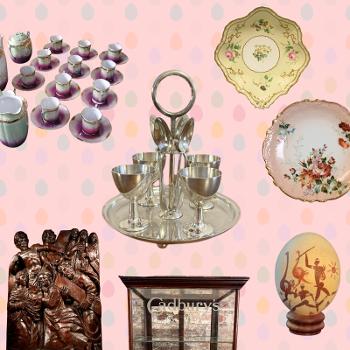
Easter is one of those rare calendar moments where faith, folklore, family and springtime optimism all overlap — and that makes it a surprisingly rich hunting ground for antique collectors.
The meaning behind Easter-related antiques can be much more than quirky seasonal objects; to us, they signify the centuries-old physical evidence of shared societal practices. For instance, how people marked the end of winter, observed Holy Week, gathered together around the table, and exchanged small gifts long before today’s mass-produced decorations.
Below are some of the most collectible Easter antique categories to look out for, along with what their provenance can tell you and why they’re a great choice for any antiques-inspired home.
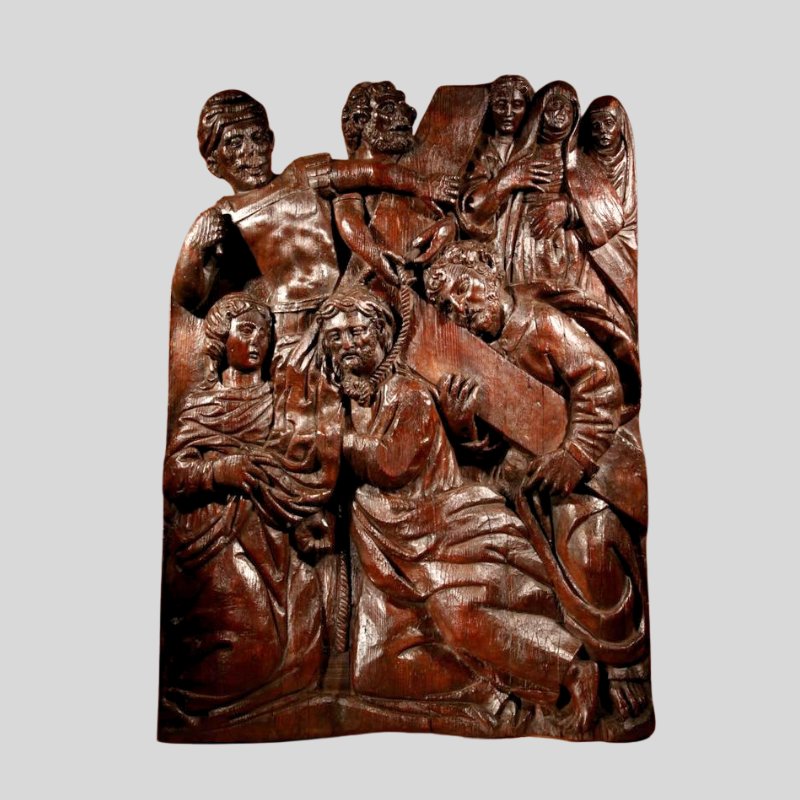
Pictured: Impressive Relief Sculpture Of Christ Carrying The Cross On His Way To Calvary circa: 1560. £9,500 / $12,644
Easter antiques: church, home…and folklore
For the many who associate Easter with only supermarket-bought chocolate eggs and a long weekend, antiques will happily prove them wrong.
Because under the shiny, rather commercial face of the modern holiday, Easter is a season with real historical depth: solemn church ritual, proper “best tableware” lunches, and a whole stream of springtime imagery – hares, chicks, flowers – running alongside it.
That means that collecting Easter-adjacent pieces is somewhat akin to collecting the ways in which people have marked the turning of the year for perhaps thousands of years.
As a religious festival, church is where the season has its biggest visual moment. You’ll see it in liturgical metalwork (think chalices, patens, censers and candlesticks), in processional pieces (like crosses, banners, lanterns), and in the softer pieces too – including vestments and altar textiles that show off colour, embroidery and materials that were never meant to be items used “everyday”.
Add devotional prints and icons (often Passion/Resurrection scenes), and service books (missals and hymnals) if you like objects with names, dates and local history imbued in them.
Even when an item isn’t technically “Easter-only”, Easter is often when it is (or was) used at full volume.
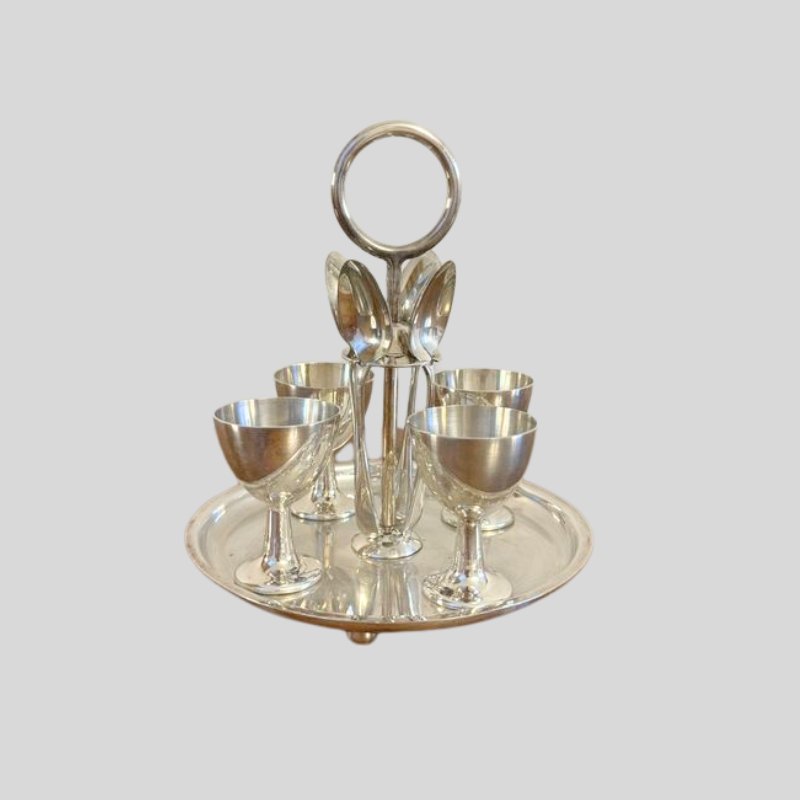
Pictured: Lovely antique Edwardian quality silver plated egg cruet set, d.1900. £225 / $299
The ‘Easter table’ look: ceramics, silver, and kitchenalia
But usage in religious establishments is only one side of the Easter coin, so to speak. Much of the festival is celebrated at home, because Easter is when people traditionally brought out their best, cooked something special, and made a ceremony of communal lunch.
The meaningful thing for collectors is that these pieces are still useful: you can build a seasonal rotation without buying anything that only works once a year.
Look for serving pieces you’d actually want on the table — platters, dessert sets, jugs, glassware, cruets — plus the small, collectable “Easter tells” like egg cups, breakfast sets and (later) chocolate moulds and packaging.
Old baking kit can be great too: tins, moulds and proper sturdy kitchenalia are often dateable by maker’s marks and construction, and they look fantastic displayed even when they’re not in use.
Collector’s tip: with domestic pieces, condition isn’t everything. A little honest wear can be part of the appeal — especially if it supports a believable story of use. And of course, with many items being over 100 years old, you'd naturally expect plenty of signs of having been used in busy kitchens over the years!
What matters more is quality of material (good ceramics, weighty silver, well-finished glass), originality (no modern replacements), and clarity (readable marks, recognisable forms, and sensible provenance).
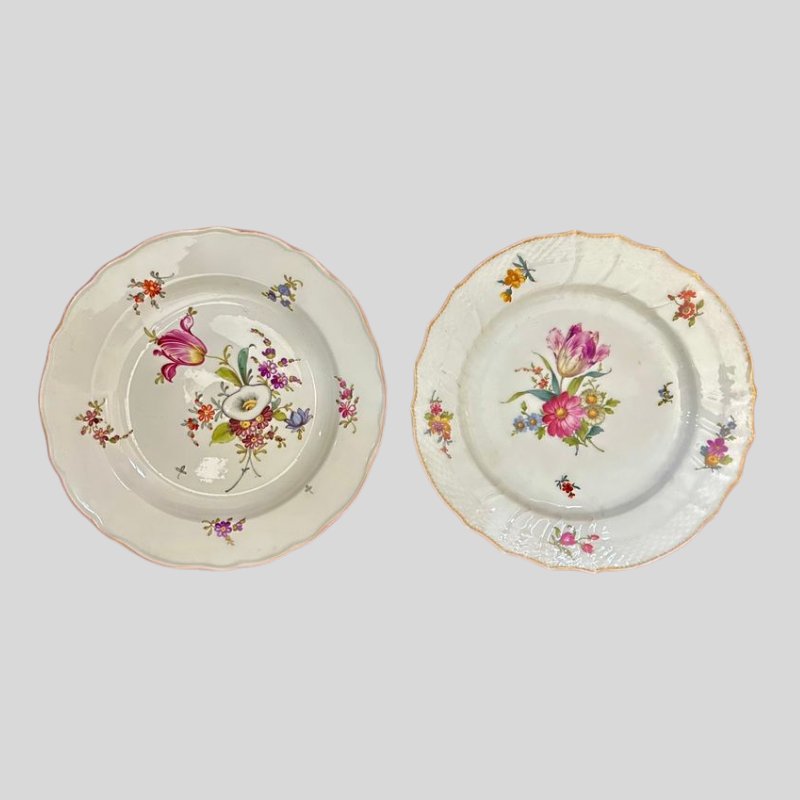
Pictured: floral plates like this Meissen plate (and one other) offer springtime whimsy on your Easter table look. £120 / $159
The big charm of small things: eggs, postcards, and springtime whimsy
This is where Easter antique collecting can become eminently delightful: the small, affordable pieces you can pull out every March/April and instantly make your home feel “seasonal”.
Of course, eggs are the obvious starting point (food, symbolism, craft - all in one), but the wider category of collectible is paper and print.
Look for Victorian and Edwardian Easter cards and postcards, scraps and decorations, plus the early advertising and packaging that helped standardise the Easter look we recognise today.
If you’re drawn to folk art, decorated eggs can be a serious collecting area in their own right: techniques like wax-resist, dyeing, scratching and painting can hint at region and tradition.
Don’t overlook the range of supporting pieces either: baskets, stands and keepsake containers tell you how eggs shifted from simple food to gift-and-display objects.
And yes, the hare / rabbit motif is everywhere — figurines, textiles, illustrations, children’s books and games — often less about religion, and more about the essence of springtime energy.
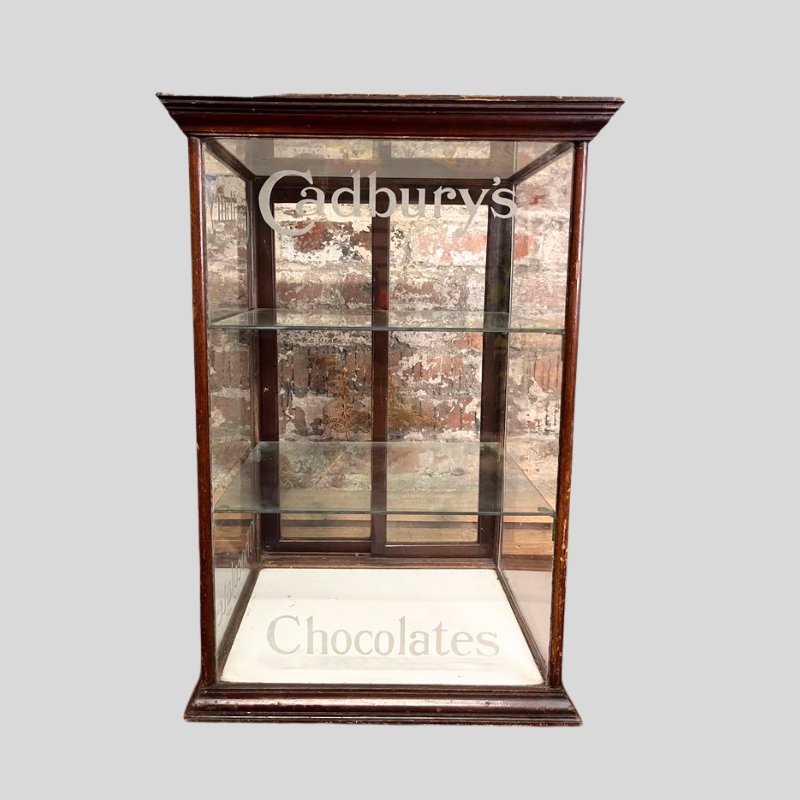
Pictured: Cadburys Chocolate shop display cabinet (date unknown, probably early 20thC). £595 / $791
A quick collector’s checklist to help buy the best Easter antiques
Before you hit “buy”, it’s worth sense-checking the basics.
- What’s it for? (worship, table, decoration, kids’ item).
- What’s on it? (crosses, lilies, lambs, eggs, chicks, spring flowers, church motifs).
- Does the material make sense? Construction, finish and marks should match the age being claimed.
- Is it in good condition? Be sensible about condition: paper and textiles can be fragile and more susceptible to ageing, while if an item looks “too perfect” in a heavily reproduced category, that can be a warning sign.
- What’s the story? If you can get it, provenance adds real depth to the meaning of your item. Look for named makers, retailers, churches, or even a believable family story.
- And finally...do you love it? In many ways, this is the most important part. As Iain, founder of Antiques.co.uk, says, you should always really love an item that you purchase - because you'll be able to enjoy it whether or not it becomes a valuable collector's item.
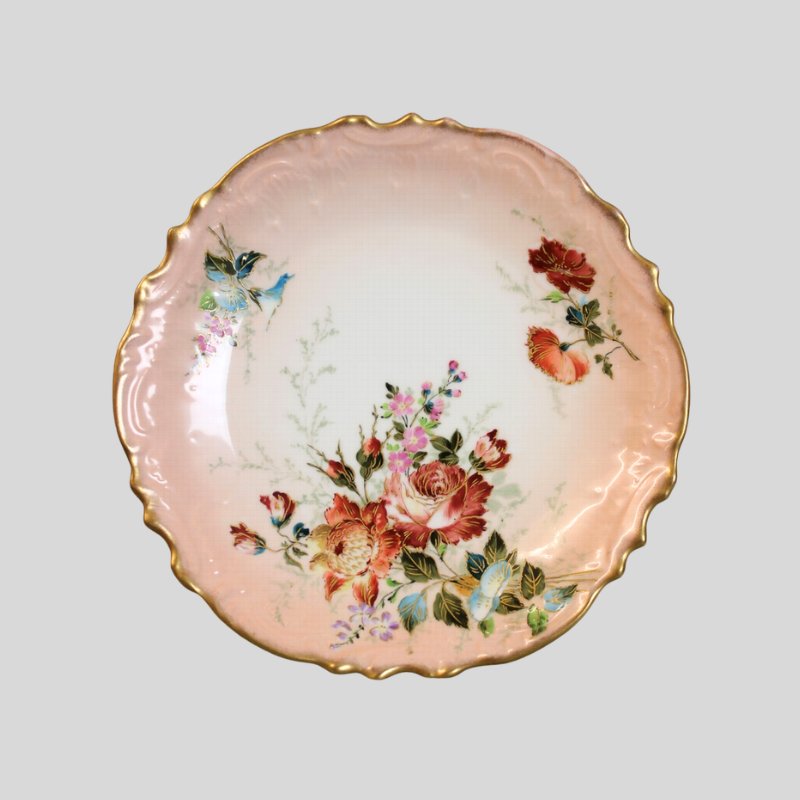
Explore Easter-inspired antiques on Antiques.co.uk
Browsing antiques with Easter in mind? To get the best results, search by object type rather than relying on the word “Easter”: egg cups, postcards, silver tableware, devotional items, and spring-themed ceramics.
Read next: Antiques.co.uk Founder, Iain Brunt, writes on Antique Collectibles and Easter Traditions